
WHAT YOUR EVENT MENU SAYS ABOUT YOUR GREEN CREDENTIALS
Food and beverage are no small part of what makes an event memorable. To plan a sustainable food service, there are a lot of pivots in menu planning that can showcase delicious meals with sustainable ingredients and less environmental impact. Be sure to discuss these options with the venue F&B team early and often since some aspects may require additional procurement, planning, or costs.
How many of our green menu strategies do you use?
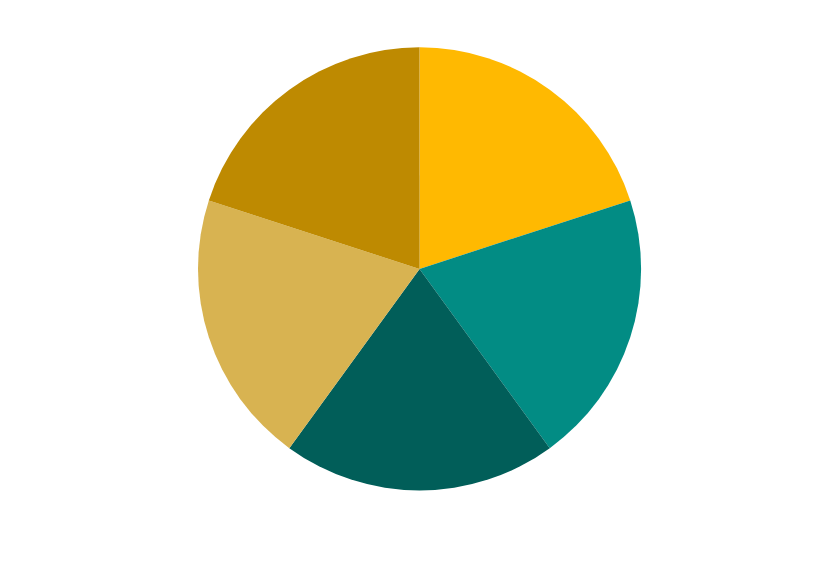
Credit Honeycomb Strategies
LESS MEAT = CLIMATE CHAMPION
Livestock require significantly more resources than agricultural crops. It’s well documented that meat, dairy, eggs, and other animal products use both more water and energy (and fertilizer and human resources) and emit more carbon emissions, affecting the footprint of your carnivorous meal substantially. Even if your event isn’t ready to eliminate meat altogether, reducing it can have an impact on your sustainability.
For example, these options would lower the amount of meat offered on your menu:
Feature vegetarian options that people are accustomed to - like spaghetti with pesto, falafel wraps, and smoothies.
Offer burgers, meatballs, and sausages made with a blend of meat and mushroom or peas, high-protein and flavorful plant substitutes. Check out the Balanced Burger Menu Guide prepared by Greener by Default and Balanced Proteins for in-depth guidance.
Reduce the size of meat-based offerings, pairing sliders with coleslaw or offering half sandwiches with a loaded salad.
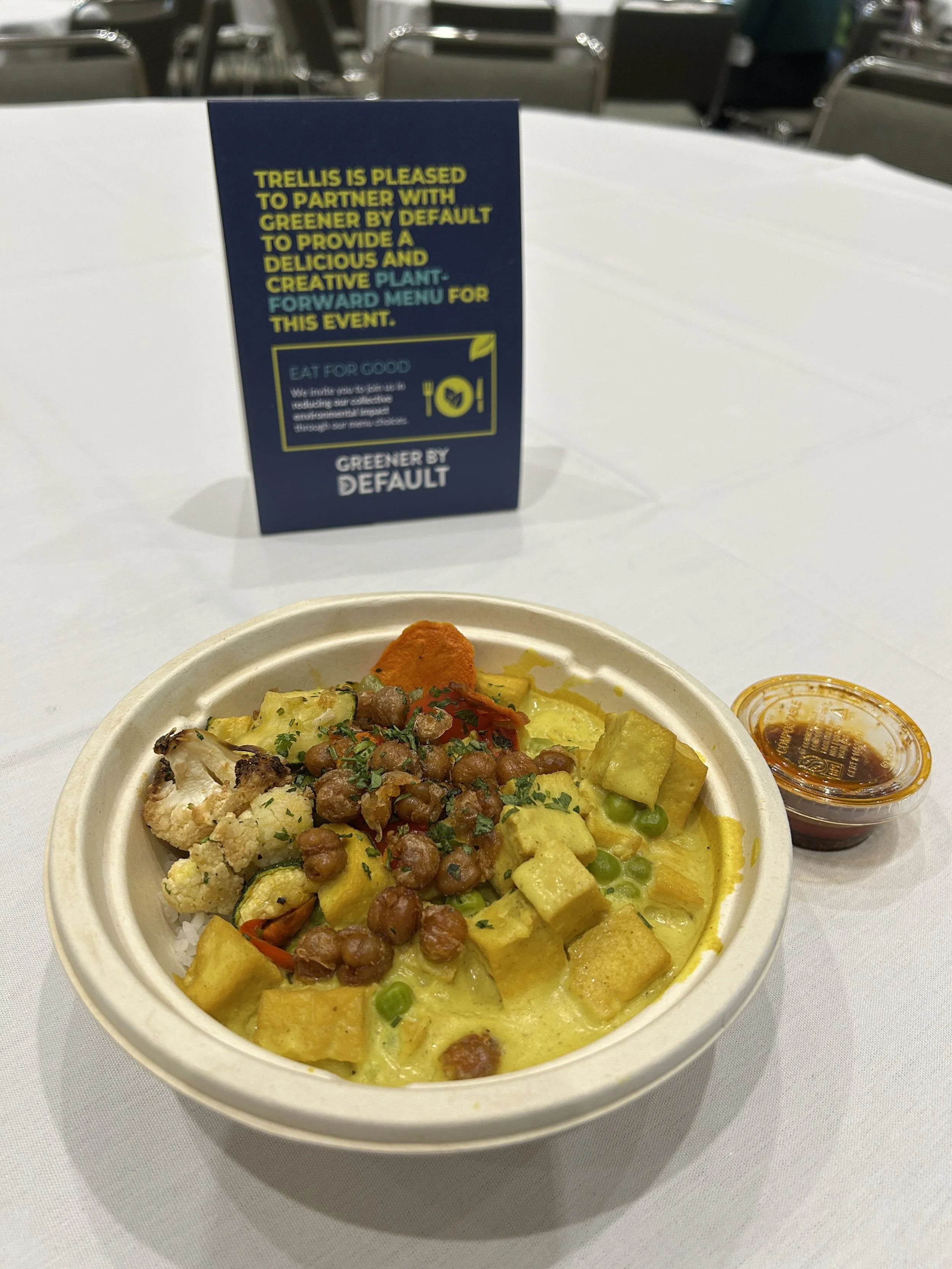
Chili crisp tofu curry bowl and signage; courtesy of Greener by Default
Also Check Out: Greener by Default works to make plant based, vegan meals the default choice for diners, with meat and dairy as modifications or add-ons. When plant-based meals are offered as the default option, evidence from Greener by Default shows that up to 96% of attendees will choose to stick with that option over a traditional meat recipe.
INCLUSIVE MENUS = CULTURAL WARRIOR
A look at geographical data on your registration lists can help you learn where your attendees come from to offer some culturally familiar foods. This can improve satisfaction, add variety to boring stand-bys, and introduce veggie-forward foods that are normal in cuisines from around the world and country.
Cross reference with a reliable multicultural calendar: if your event overlaps with religious holidays, it is respectful to offer – and label! – offerings that are tailored to observers.
For example: Jewish people don’t eat risen bread during Passover, and many Christians abstain from meat throughout or on certain days in Lent. In contrast, some holidays provide delicious cultural recipes to add to the menu, like Bahn chung during Têt, the Vietnamese New Year, or tamales from Mexico during Christmas holidays.
WATER-CONSCIOUS INGREDIENTS = BLUE TITAN
Local and regional sourcing can go hand-in-hand with water conservation. Crops that are grown according to their regional growing cycles generally require less irrigation, instead relying on rainfall and ground water to grow in sync with natural water levels.
For example: While some may be disappointed not to get tomatoes on their salad in winter, they may appreciate the lower cost (financial and environmental!) and the fresh taste of a dried cranberry garnish instead.
Also check out: The sustainability term “embedded water” refers the water that has been used throughout the entire growing and harvesting cycle of a product. An animal product will be inherently high in embedded water than a plant crop because the animal consumes many plants (or other animals who consume plants) throughout their lifetime, and this all adds up as part of their embedded water, illustrating one way plant-based menus can help lower environmental impact.
FOOD LABELING = ATTENDEE ADVOCATE
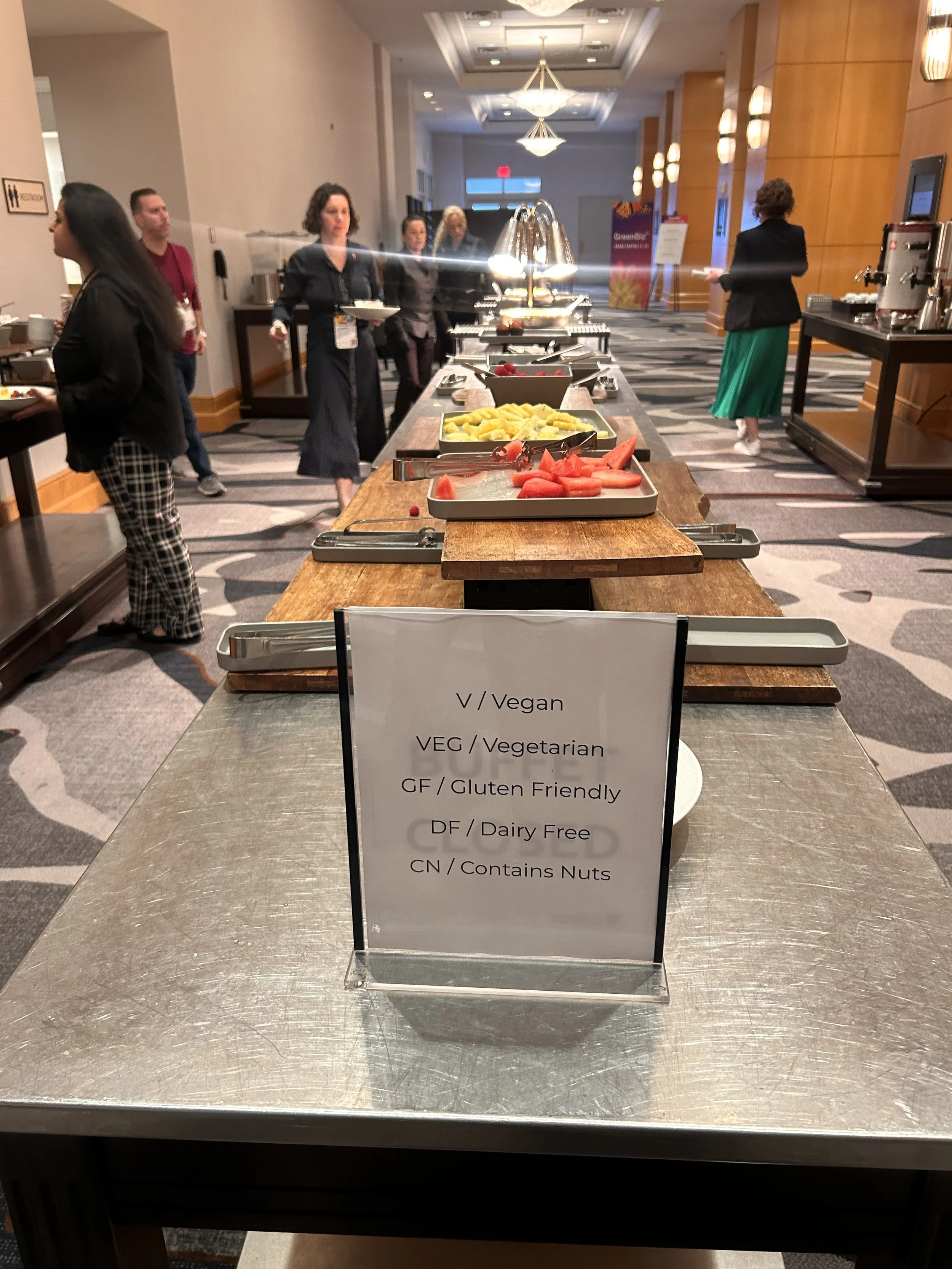
An example of menu labeling, photo courtesy Greener by Default
Making sure that attendees know what is in their food is respectful to them and risk-conscious for you. While it’s now common practice to clearly label common allergens, labeling the green attributes of your menu is a great way to amplify your efforts.
As a bonus, adding ingredients and nutritional information can help diners turn an impersonal choice (like choose an “environmentally friendly” meal) to a personal one, uniting healthy choices with climate-friendly ones. Since plant-based foods are rich in vitamins, fiber, minerals, complex carbohydrates and proteins, your menu can attract eco-conscious and health-conscious diners in one.
For example: Say you chose to eliminate non-local, non-seasonal produce from your menus for water consciousness. Explaining on your food labeling the mouth-watering, local and fresh ingredients that diners are ordering will help them focus on the positive taste and impact of their choices, while understanding why their salad lacks tomatoes in winter.
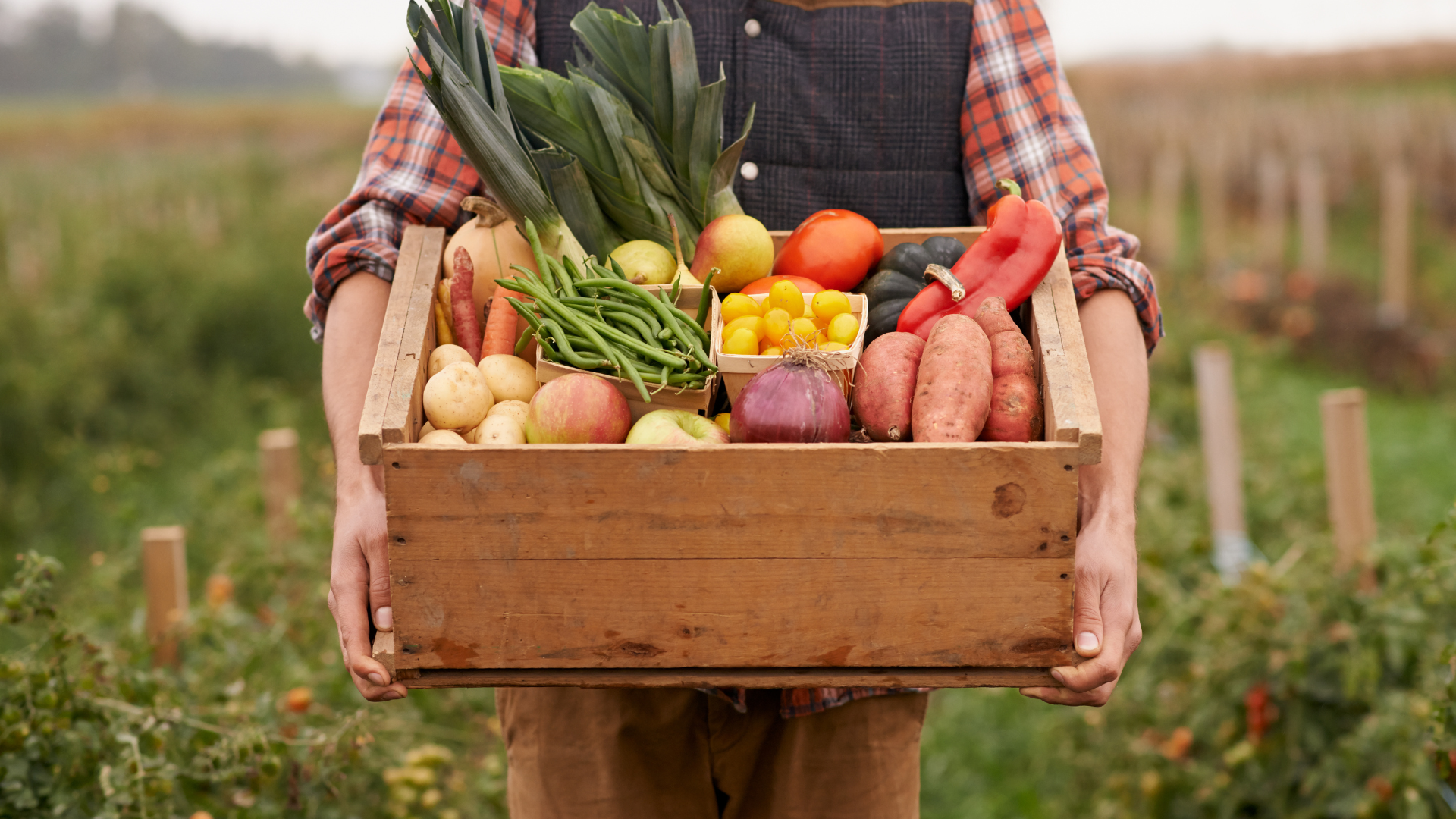
LOCAL SOURCING = CONSERVATION ROYALTY!
Buying locally helps lower emissions for logistics and transportation, since shipments are traveling less distance. Going further to source directly from farmers or co-ops boosts the local economy and drives the local impact of your venue or event in the community in which you operate. The final benefit is that food grown locally will be fresher, and thus tastier!
For example: Consider offering a farm-to-table salad as a featured item that features local and regional produce; it can showcase economic partnership, circularity, environmentalism, and healthy eating in one.
Building a recipe for sustainability
You can combine many elements to build a sustainability strategy for food and beverage at your event or venue. Sprinkle in a few of these suggestions and see what an impact it can make. We’d be remiss if we didn’t remind you that tracking a few basic F&B KPI can help you determine success of these choices.
Food is a pillar of guest enjoyment and can be a central ingredient in a greater sustainability strategy, making it a highly visible way to spread the word about the changes your organization is making for a healthier planet and healthier people.
-------------------------
Honeycomb Strategies specializes in impactful solutions for sustainable events, sports, and venues. hcsustainability.com
hello@hcsustainability.com